Faq * Home * Vision * Mission * About us * Careers * Add content * Schedule Your Interview

30 दिन सीखें।
ताउम्र कमायेंः इज्जत भी, पैसा भी।
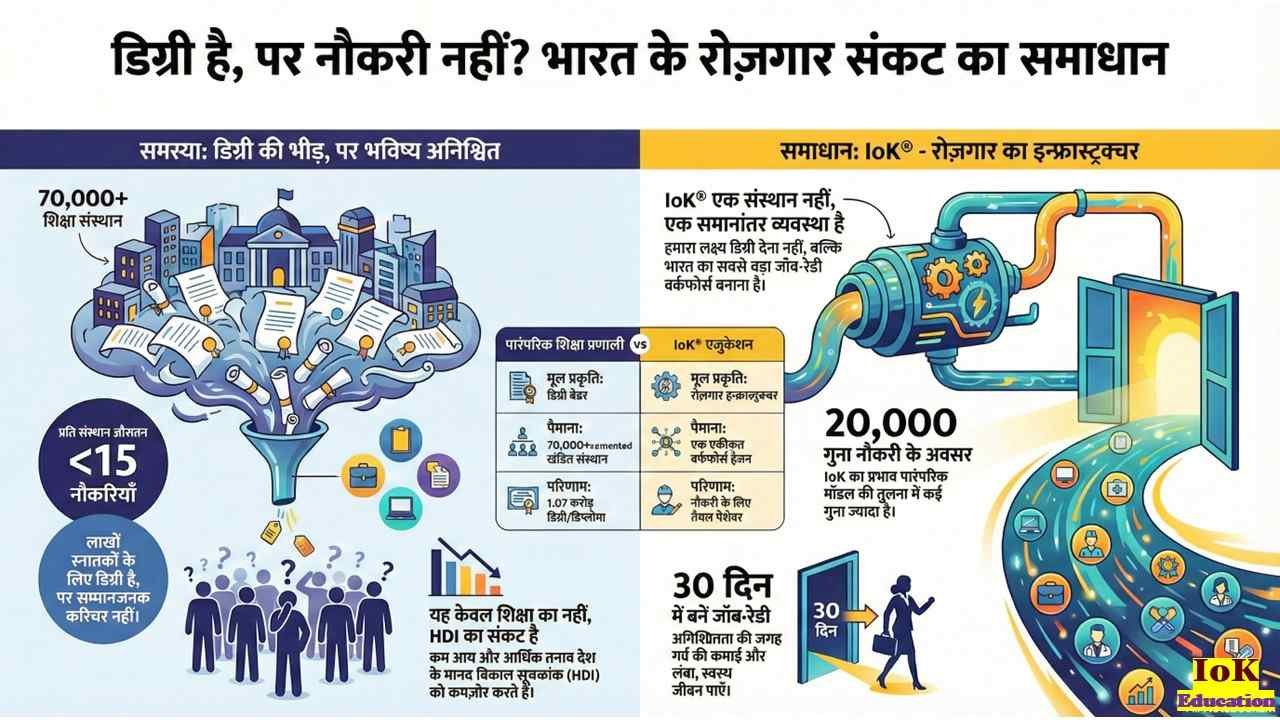 We provide unemployed graduates with 1-month job-oriented training to secure respectable employment and marry happily.
What is the cause on some laptops our website or our forms do not open while other sites open?
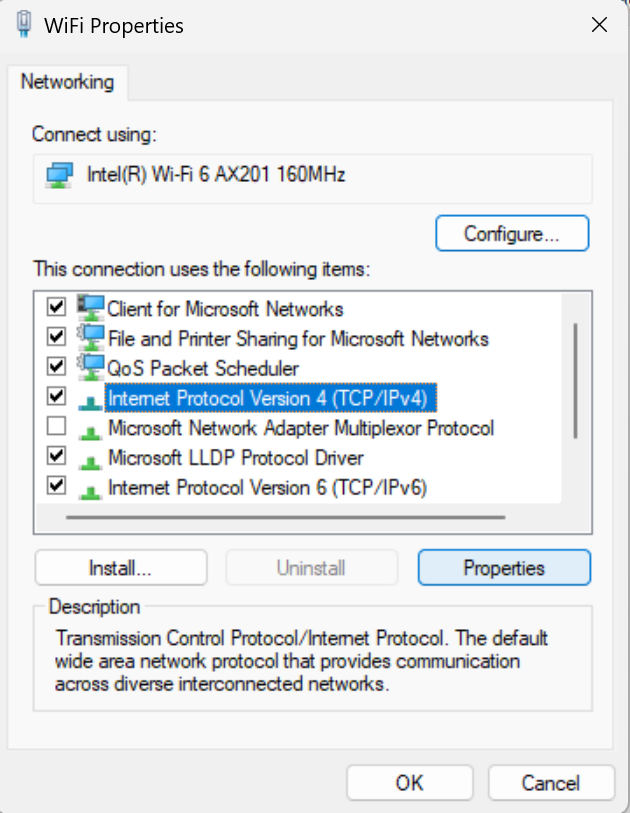
Check Laptop Network Settings:
What to do:
https://www.namehero.com/blog/5-ways-to-fix-the-this-site-cant-be-reached-error/
For Antivirus software
#4. Flush Your DNS Cache
Open Command Prompt as an administrator:
Click the Start button or the Windows key on your keyboard.
Type "cmd" into the search bar.
Right-click on "Command Prompt" from the search results and select "Run as administrator".
In the Command Prompt window, type ipconfig /flushdns.
Press the Enter key to execute the command.
You will see a message confirming that the DNS Resolver Cache was successfully flushed.
If you can't load a website, flushing the DNS can resolve the issue by clearing outdated or corrupt cache entries.
It forces your computer to retrieve fresh DNS records, which can be necessary when a website has recently changed its IP address.
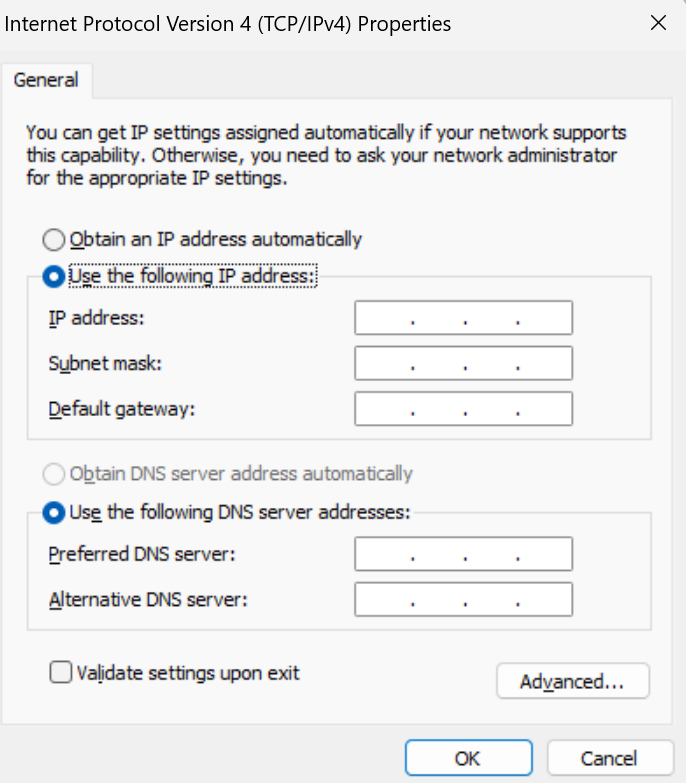
#5. Change DNS Servers
Sometimes, the default DNS servers provided by your internet service provider (ISP) may be experiencing issues. Changing to alternative DNS servers, such as Google DNS or OpenDNS, can help resolve the “This site can’t be reached” error. Here’s how to change your DNS servers:
By flushing your DNS cache and changing DNS servers, you can effectively troubleshoot DNS-related issues that may be causing the “This site can’t be reached” error. These methods help ensure that your system is obtaining accurate and up-to-date DNS information, enabling successful website access.
That’s Why we ask candidates at job portals; in pre screening; are you internet savvy?
Employees who can't find solutions to such simple challanges are a liability. We should not waste even 20 seconds with such fellows.
Offering crore-rupee packages for roles like a BDE, HRE, or a WebScraper-LGS & Honorarium for Mission Associates, might seem unusual, as these positions are often not associated with such high compensation. However, this level of pay is possible only when these roles are structured to deliver extraordinary value to the company.
Because we are confident in our growth and profitability, we see these high-value roles not as an expense, but as a strategic investment.
This economic environment is built on:
In short, we afford these packages because the individuals in these roles are directly responsible for generating far more value than they are being paid. They are not just cogs in a machine; they are core drivers of the company's success.
To understand how these roles generate value look at this small 44 second video
This represents a healthy, growing economy that creates jobs, higher incomes, better living standards due to faith and trust in the relations and commitments.
No.
For this role at IoK® Education, your post-probation package isn’t determined by your previous salary or your expectation in the resume/interview. Instead, it’s determined by:
This means even someone with a lower previous salary can earn much higher if they perform well and vice-versa.
Yes. We provide intangible assets such as:
In addition, we allocate a monthly work expense allowance of ₹39,900 (calculated on 26 working days). This covers:
If your application is shortlisted, you’ll receive a link for detailed preparation guidelines. Please read them carefully and follow the steps provided.
To prepare effectively:
A: Several factors contribute:
Financial instability due to lack of steady income.
Prolonged uncertainty, especially when there isn’t a clear path to improvement.
Loss of confidence, social comparisons, and fear of failure.
Burnout, especially if someone is doing many interviews or upskilling without seeing results.
These aren’t just “side effects”—they can deeply affect mental health, increasing risk of anxiety, depression, and in severe cases, suicidal ideation.
A: IOK builds in multiple features that map onto what graduates typically need for both employability and emotional relief. Key program attributes are:
Instructor-led learning + interactive / live participatory demonstrations — meaning students aren’t left on their own. Having guided instruction helps reduce confusion and anxiety about whether one is “doing it right.”
Group discussions, tours, and outings — chances to engage socially and see practical, real-world application; breaks isolation and boosts morale.
Assessment built into the course so participants can track their progress, get feedback, and identify strengths and weaknesses—this builds confidence.
Practical, employment-oriented design: The course is explicitly intended to equip participants with the skills and knowledge “for immediate employment upon completion.” This addresses one of the biggest stressors for graduates—namely, feeling stuck.
A: Because these features tie directly to common sources of mental strain:
Clear structure & support guided learning relieve the uncertainty and self-doubt that often accompany joblessness.
Hope & direction: Knowing that the training is “job-ready” helps graduates feel they’re doing something meaningful—not just waiting.
Reduced duration of job-search: With practical skills and clearer candidature, graduates find employment faster, which diminishes prolonged stress and anxiety.
A: No. The course itself isn’t therapy. But by providing:
Purpose
Direction
Skills & competence
Social interaction / peer support
…it offers many of the “protective factors” research shows help guard against worsening mental health outcomes.
A: By offering structure, practical outcomes, community, and clear progress, IOK’s 30-day program doesn’t just increase employability—it helps reduce the emotional toll of joblessness. It works on both sides: reducing what causes stress and helping build resilience (hope, confidence, meaning).
The challenges faced by graduate students in securing employment in India have a significant impact on their mental and emotional well-being.
Research consistently demonstrates alarmingly high rates of stress, anxiety, and depression among this demographic.
Financial instability resulting from unemployment and the pervasive sense of job insecurity are major factors contributing to these mental health challenges.
One study found that over half of postgraduate students screened positive for depression and stress.
In this context, marketing the 30-day training course should subtly address the emotional burden of unemployment by positioning it as a proactive step towards enhancing employability and, consequently, reducing stress levels.
By providing a clear pathway to improved job prospects, the course directly tackles a significant underlying cause of distress for unemployed graduates.
Furthermore, the "job-oriented" nature of the training can instill a sense of hope and control, which are vital in mitigating the feelings of anxiety and helplessness often associated with unemployment.
Of particular concern is the finding that a significant percentage of postgraduate students in India report experiencing suicidal thoughts, with some studies indicating rates exceeding 30%.
Academic stress, burnout stemming from demanding workloads, and criticism from superiors are major predictors of mental health issues within this population.
While marketing the training course must be handled with extreme sensitivity and avoid making direct claims about preventing suicide, it can implicitly emphasize the program's role in providing hope, a renewed sense of purpose, and a defined direction for the future.
These factors will act as protective elements against severe mental health outcomes.
By offering a tangible route to employment and a more stable future, the course addresses a key driver of distress and contributes to a graduate's overall well-being and sense of optimism.
Additionally, the course's focus on practical skill development and job readiness will potentially alleviate the overwhelming pressure and fear of failure that often contribute to academic stress and burnout in traditional educational settings.
The very act of searching for a job is itself a considerable source of anxiety for graduates, and this process can negatively affect their mental and physical health, their social support systems, and their overall optimism.
Research indicates that prolonged periods of unemployment are linked to increased levels of worry, sadness, and stress.
Therefore, the 30-day training course should be framed as a means to expedite the often lengthy and challenging job search by equipping graduates with the necessary skills and bolstering their confidence to secure employment more quickly.
This will directly reduce the prolonged stress and anxiety associated with the job hunting process.
Moreover, by focusing on the acquisition of practical, job-ready skills, the course will enhance a graduate's confidence in their ability to successfully find employment, which in turn will serve as a buffer against the negative psychological impacts of the job search.
हमारा उद्देश्य कामकाजी आबादी में रोकी जा सकने वाली मौतों को कम करना है। हम स्नातक छात्रों को ऐसे ज्ञान और कौशल से लैस करते हैं ताकि वे उन लोगों की पहचान कर सकें और उनकी मदद कर सकें, जिन्हें स्वास्थ्य समस्याओं का खतरा है, लेकिन जिनमें अभी तक कोई स्पष्ट लक्षण दिखाई नहीं दिए हैं।
आईओके® एजुकेशन प्राइवेट लिमिटेड का लक्ष्य स्नातक छात्रों को इस काम के लिए सक्षम बनाना है ताकि वे समय से पहले होने वाली मौतों को रोक सकें। हम छात्रों को ऐसे कौशल प्रदान करते हैं, जिनकी मदद से वे शुरुआती चेतावनी संकेतों को पहचान सकें और समय पर उचित कार्रवाई कर सकें।
To be “elite” in India meant earning over ₹20 lakhs per annum for a —a threshold officially crossed by only 2,757,965 salaried people in AY 23-24. Here is the detail of them: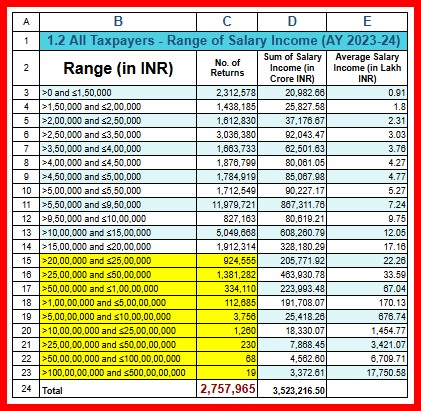
Less than 1% of our country's current population; including all individuals, HUF, firms, companies, etc.: 1,30,16,778

To assess the student's eligibility, please follow these steps:
Share the following eligibility page link with the student:
The student must thoroughly review all three components on this page:
After the student has reviewed all three items, ask them to describe their understanding of all three components in Hindi.
Evaluation Criteria:
If you are satisfied that the candidate has understood everything thoroughly, proceed to calculate their "Family's Total Annual Income".
Enrollment Condition: The candidate is eligible to fill the Enrollment Application form ONLY IF the calculated figure in cell C11 is less than 300.
IoK® Education Private Limited trains first-generation graduates in Anthropometry & Kinesiology as Healthspan Enhancers for non-invasive, early health risk detection, boosting India's HDI, saving young lives, and helping end orphanhood.
But
A Healthspan Enhancer is a professional focused on maximizing the number of years an individual lives in good health, productivity, and vitality (the healthspan), rather than just extending the total lifespan.
The role involves the personalized assessment, recommendation, and integration of key lifestyle and behavioral changes that directly impact biological aging and chronic disease risk.
Healthspan enhancement is built upon the strategic optimization of five fundamental pillars of well-being:
The Healthspan Enhancer moves beyond generic wellness advice by creating a holistic, data-driven framework that empowers an individual to make sustainable, scientifically-backed choices in their daily life, effectively slowing biological aging and maximizing years of active well-being.
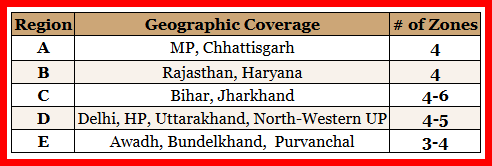
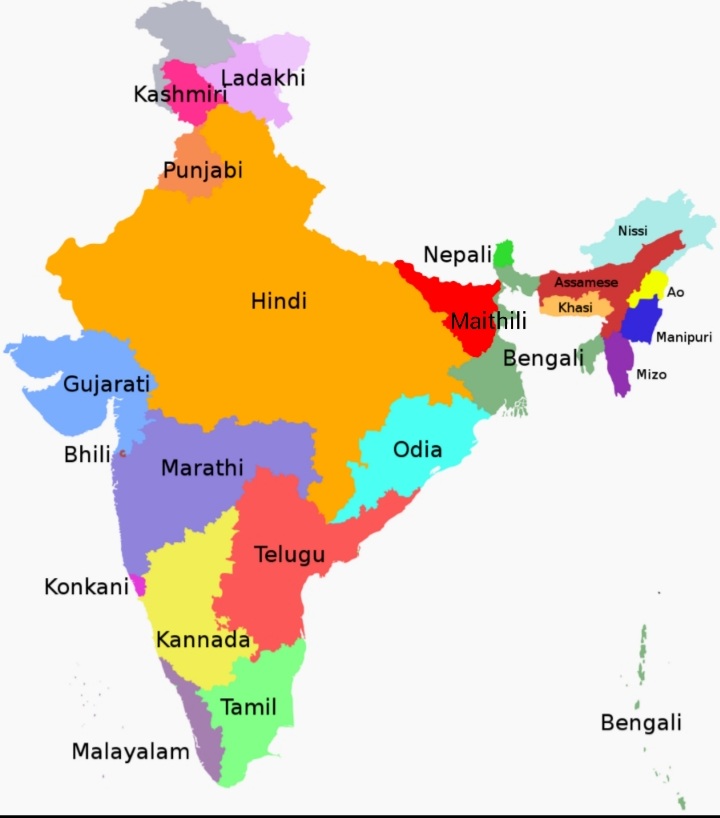
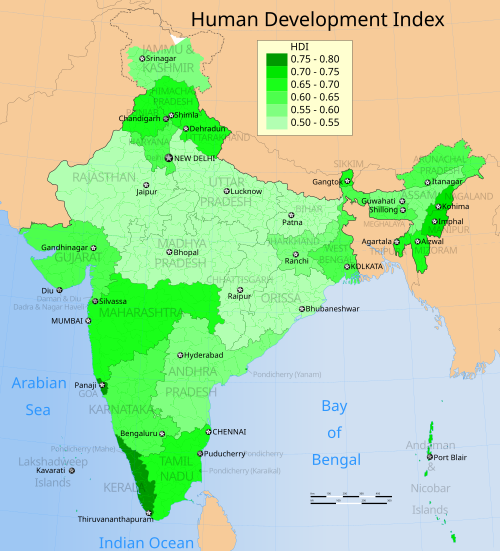
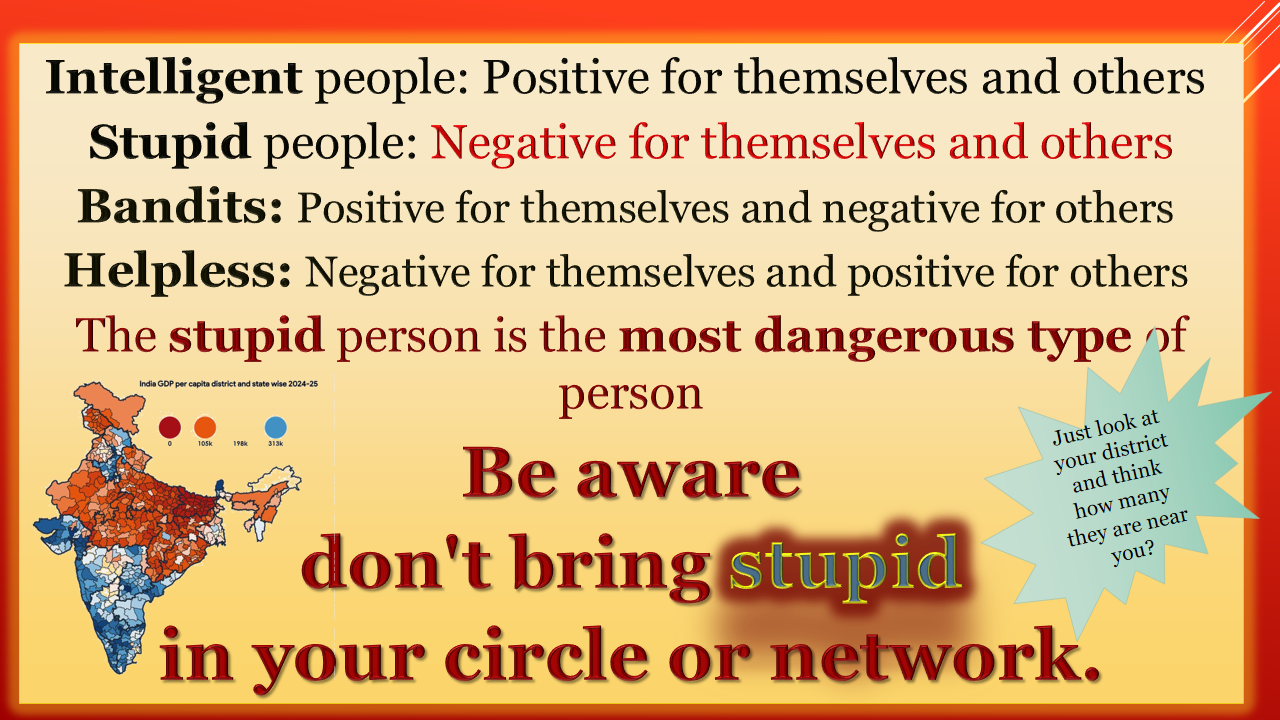
Presently we are not looking to recruit any BDE from these districts:
In the rubble of Tokyo after World War II, a young company, later named Sony, struggled to stay in business. It attracted a handful of smart scientists and engineers, but its first innovation, an electric rice cooker, was a failure. Initially, Sony survived by repairing shortwave radios.
Around this time, Masaru Ibuka, Sony’s lead technologist, became intrigued by transistors, which had recently been invented by a team at Bell Laboratories. Ibuka craved a “substantial” project to motivate his team of fifty scientists and engineers, and he saw tremendous promise in transistors. But when he bid to license the technology from Bell Labs, the Japanese Ministry of Trade and Industry denied the license. It was skeptical of the young company’s ability to manage such cutting-edge technology.
In 1953, Ibuka secured permission to license transistors. He had a vision for a radio that would be based on transistors. The advantage of a transistor radio was obvious to engineers; it would free radios from the big vacuum tubes that made them so bulky and unreliable. Bell Labs told Ibuka that it didn’t think a “transistor radio” was possible. His engineers began to pursue the vision anyway.
Let’s pause here for a moment to put ourselves in Ibuka’s shoes. Your company has been struggling, and you’ve got a team of brilliant people whom you need to inspire. You have the potential to lead them in one hundred different directions—rice cookers or radios or telephones or whatever else R & D could dream up. But you’re convinced that the idea of a transistor-based radio is the most promising path.
Your core message, then, is the dream of a transistor radio. How do you make this message unexpected? How do you engage the curiosity and interest of your team? The concept of a “transistor radio” is probably not enough, in and of itself, to motivate your team. It’s focused more on technology than on value. A transistor radio—so what?
What about tapping into some of the classic managerial themes? Competition: “Sony will beat Bell Labs in making a transistor radio work.” Quality: “Sony will be the world’s most respected manufacturer of radios.” Innovation: “Sony will create the most advanced radios in the world.”
Here’s the idea Ibuka proposed to his team: a “pocketable radio.”
It’s hard, in retrospect, to comprehend the hubris of that idea—how utterly unexpected, how preposterous, it must have seemed the first time a Sony engineer heard it. Radios were not things you put into your pocket; they were pieces of furniture. At the time, radio factories employed full-time cabinetmakers.
Furthermore, the idea that an upstart Japanese company would deliver such an innovation, when the brilliant minds at Bell Labs thought it impossible, was not credible. After all, the 1950s were a decade when “Made in Japan” was synonymous with shoddy workmanship.
But Sony engineers were talented and hungry. Ibuka’s idea of a pocketable radio caught on internally and drove Sony through an incredible period of growth. By 1957, Sony had grown to 1,200 employees. In March 1957, just four years after Sony was grudgingly granted permission to tinker with transistors, the company released the TR-55, the world’s first pocketable transistor radio. The TR-55 sold 1.5 million units and put Sony on the world map.
A “pocketable radio”—isn’t this simply a brilliant product idea, rather than a brilliant “sticky idea”? No, it is both, and both elements are indispensable. There’s no question that someone in the world would have invented a transistor radio, even if Ibuka had decided to build the world’s fanciest rice cooker. Transistor radios were an inevitable technological progression. But the first transistor radios were nowhere near pocket-sized, and without Ibuka’s unexpected idea his engineers might have stopped pursuing the technology long before it became small enough to be useful. Ibuka inspired years of effort because he came up with an unexpected idea that challenged hundreds of engineers to do their best work.
Results,
not effort, is the name of the game.
You are rewarded in life by the results you produce, not the effort and time you put in.
All too often, there is a lack of commitment to results and an over-infatuation with “process” or “hard work.”
Of course, you need to work hard.
Of course, you need to become brilliant at what you do.
But none of that matters if it doesn’t translate to tangible, measurable, and rare results.