मेरी भाषा
FAQ-Course-Full
Audio file
FAQ
| What is the name of the course offered? | 30-Day Job-Oriented Healthspan Enhancement CourseIf you are a graduate student looking for a practical training course, build a future-proof career in wellness, longevity, and preventive care. The course is called the 30-day job oriented practical training course. It is also referred to as the Practical Learning and Research Program (PLaRP) course. |
||||||||||||||||||
| What is the duration of the course? | The course duration is 30 days. |
||||||||||||||||||
| Who is eligible to enroll in this course? | The course is open to graduate students from any discipline. |
||||||||||||||||||
| When does the course start and end? | The course start on each working day of the month. The end date is the 30th day of the course start. |
||||||||||||||||||
| What is the scope of the course? | This course is designed to equip you with one month of intensive practical experience, leading directly to immediate job placement upon successful completion. |
||||||||||||||||||
| What is the possible earnings after the course? | Complete this 30-day course, and within approximately three years of service, you can achieve a high-earning role (Top 1% Indian) as a Research Officer or become an independent, licensed service provider with unlimited earning potential. Unlike traditional professions where significant unpaid training is required (like the 8-10 years a doctor invests), our program allows you to learn while earning. Our goal is for you to become a crorepati, accumulating wealth exceeding ₹1 crore within the next five years. For more details visit this: https://www.grioki.com/jro#h.j3020ml0r1wi |
||||||||||||||||||
| How will participants benefit from taking this course? | Obtaining employment, right-away; after passing that course. In just about three years of dedicated service, you'll be positioned for remarkable career growth, whether as a high-earning Research Officer or as an independent, licensed professional empowered to offer services directly to the public with uncapped income potential. Consider the dedication required in fields like medicine, where aspiring doctors invest 8 to 10 years in training before earning. Our unique approach redefines this path: you'll earn while you learn throughout a similar period. Our ambitious target for you is to achieve crorepati status, accumulating over ₹1 crore in wealth, within the next five years. Embark on a transformative journey with our 30-day course. |
||||||||||||||||||
| Are there any prerequisites for enrolling in the course? | Yes, readiness to do Hands-on fieldwork and English language comprehension (PDFs and videos) are required |
||||||||||||||||||
| What makes the IoK_30 course unique and valuable for learners? | Only thirty days to invest in order to qualify; after qualifying, you can start working right away. |
||||||||||||||||||
| What skills or knowledge as a student I gain from this course? | 30-दिवसीय कोर्स में आप सीखेंगे
Visit this |
||||||||||||||||||
| How is the course structured, and what is the learning format? | Course Structure: Fostering Immediate Employability This intensive 30-day course is designed to equip participants with the necessary skills and knowledge for immediate employment upon completion. The program utilizes a blended learning approach, combining instructor-led session with independent learning activities.
Day 1: Intensive Classroom Demonstration and Hands-on Practice Days 2–30: Enhanced Hands-on Practice with Structured Learning Materials Rationale: This blended, immersive format—with strong emphasis on practice from day one—ensures participants are fully job-ready by the end of the program. |
||||||||||||||||||
| Is the course accredited or recognized by any industry standards? | This course holds accreditation and recognition from Grioki® Research & Development Private Limited. |
||||||||||||||||||
| Will participants receive a certificate upon completion, and how is it recognized? | Participants receive a certificate after qualifying it & is recognized by the Grioki Research & Development Private Limited |
||||||||||||||||||
| What job opportunities and career growth will the candidate have after completion? | By completing this 30-day course and serving for about 3 years, you can grow into one of two powerful career paths: either as a high-earning Research Officer, or as an independent, licensed service provider to the public—capable of earning as much as you want. But remember this: just like a doctor prepares for their dream career by studying 8–10 years without earning, you too must dedicate yourself fully. The difference?You will be learning while also earning from day one. Within the next 5 years, it is compulsory—not optional—to become a crorepati. You must aim to accumulate at least ₹1 crore in net worth through this mission-driven work. For more details visit this: https://www.grioki.com/jro#h.j3020ml0r1wi |
||||||||||||||||||
| Is this course approved by any organizations? | |||||||||||||||||||
| What is the primary goal or purpose of this course? | This is a job-oriented practical training course for graduate students to help prevent premature deaths. It aims to equip learners with the knowledge and skills to understand, appreciate, and leverage concepts of longer healthspan and financial wellness for making informed decisions leading to a healthy and prosperous life. The course also emphasizes facilitating immediate employability. |
||||||||||||||||||
| What are the key areas covered in the course? | The course focuses on the importance of Longer Healthspan and Financial Wellness for National Wellbeing. It covers key concepts related to the value of a healthy and financially secure life, risk-return relationships in health and wealth decisions, financial wellness and income source selection considering healthspan, and optimal resource management for effective health decisions. Additional discussions will delve into other relevant issues that contribute to a healthy decision-making process. |
||||||||||||||||||
| What are the learning objectives of the course? | Participants are expected to analyze decisions related to living a healthy and financially secure life, utilize various tools and techniques to solve real-life numerical problems in health and wealth management, and apply learnings to make efficient decisions that positively impact well-being. |
||||||||||||||||||
| How much does the course cost? | The course fee for early enrollment is only Rs. 30,000 + 18% GST (Rs. 5400) total Rs. 35,400. |
||||||||||||||||||
| Are there any scholarships available? | Yes, scholarships of up to Rs. 15,000 may be available for physically handicapped or economically weak but intelligent and brilliant candidates. An additional scholarship of up to Rs. 15,000 may also be available for outstanding performance in the course. |
||||||||||||||||||
| How do I register for the course? | You need to fill the online registration form. The registration URL is: https://iok.education/node/add/enrollment_application |
||||||||||||||||||
| Is there any exam, and is it compulsory? | Yes, there is an exam conducted in person at the IOK. The exam is COMPULSORY to join as a Junior Research Officer at Grioki Research & Development Private Limited or as a franchise of Whepol Whealth Police®. |
||||||||||||||||||
| When and where is the exam held? | The exam is held from 2 pm to 5 pm on the 30th day of the course start (afternoon of the last day of the course). It is conducted in person at the IOK. |
||||||||||||||||||
| Will I receive a certificate upon completing the course? | A course certificate will be issued to you after you pass the exam conducted in person at the IOK. |
||||||||||||||||||
| What career opportunities are available after completing the course? | Successful candidates will be given priority for the post of Junior Research Officer at Grioki Research & Development Private Limited. Completing the compulsory exam is required to join as a Junior Research Officer at Grioki® or as a franchise of Whepol Whealth Police®. The course makes you Job-Ready in 30 Days with 90+% Placement. After approximately three years of service, you'll have two lucrative career paths: excel as a high-earning Research Officer or thrive as an independent, licensed service provider with the freedom to dictate your own income. Forget the long, unpaid apprenticeships common in other demanding professions, such as the 8-10 years doctors dedicate to their training. With us, you'll gain valuable knowledge and skills while simultaneously earning income. Our program is designed to fast-track your financial success, with the expectation that you'll become a crorepati – accumulating over ₹1 crore in wealth – within the next five years. Unlock your potential in just 30 days! |
||||||||||||||||||
| Where is the course held? | The course will be held in Mumbai & Navi Mumbai. |
||||||||||||||||||
| Where is the location of the institute (IOK)? | The location provided is B32, Sector 29 Belapur; Navi Mumbai 400614 Maharashtra. |
||||||||||||||||||
| If the course signifies as training for Junior Research Officer then why pay for the training? | Anything which we got free of its value, instantly comes in the purview of charity. We are not in the charity business. |
||||||||||||||||||
| What is Caution Money Amount? | The caution money amount is Rs. 4999 per student. |
||||||||||||||||||
| Why Do I Need to Deposit Caution Money Amount? | To reserve an admission seat and corresponding dormitory space for You. |
||||||||||||||||||
| To which party should the caution money be paid? | It must be paid to our licensed mission associate (LMA) of your area. |
||||||||||||||||||
| What is the instructor's expertise in this subject area? | This brief provides an introduction to the instructor. You can further investigate their credentials by exploring the provided 4 hyperlinks. |
||||||||||||||||||
| Where can I reach out to if I have specific questions about the course? | If there is anything specific you'd like to know more about ask them here: https://iok.education/node/add/question |
||||||||||||||||||
| How can I contact the institute? | You can contact us by: |
||||||||||||||||||
| Is the course theoretical or practical? | It is a practice-oriented course. While some foundational theory is provided, the primary focus is on action, repetition, and results through real-world application. |
||||||||||||||||||
| What is IoK's objective | IoK aims to empower graduate students to identify and support individuals at risk of health issues before clinical symptoms appear. The focus is on early intervention to reduce preventable deaths in the working-age population.By 2026, IoK plans to train and certify 200,000 graduates, equipping them for immediate employment in this critical area. |
||||||||||||||||||
| उम्मीद या जुआ? | एक अच्छा वेतन वाला करियर पाने का संघर्ष। बस कुछ सवाल गूगल करें (जैसे कि नीचे दिए गए कुछ) और देखें कि आपको अपने स्तर पर क्या जवाब मिलते हैं। 2024 में कितने भारतीय छात्र स्नातकोत्तर अध्ययन के लिए विदेश गए हैं? 2024 में भारतीय छात्र पीजी अध्ययन के लिए विदेश जाने के लिए कितना पैसा देते हैं? 2024 में भारत के निजी मेडिकल कॉलेजों में कितने भारतीय छात्रों ने दाखिला लिया? 2024 में भारत के निजी मेडिकल कॉलेजों में दाखिला लेने के लिए भारतीय छात्रों ने कितना पैसा दिया? अब इस 24 मिनट के आंख खोलने वाले वीडियो को देखें: भारत में डॉक्टरों का भविष्य क्या है? | कमाई, संघर्ष और प्रतिस्पर्धा | सीए राहुल मालोदियाभारत में Doctors का Future क्या है? | Earnings, Struggle & Competition | CA Rahul Malodiaअब इस बारे में नवीनतम रिपोर्ट पढ़ें प्लेसमेंट और इंटर्नशिप रिपोर्ट शैक्षणिक वर्ष 2023 - 2024 प्लेसमेंट कार्यालय भारतीय प्रौद्योगिकी संस्थान, बॉम्बेयदि आप उस लंबे दस्तावेज़ को नहीं पढ़ना चाहते हैं तो यहाँ कुछ मुख्य बातें दी गई हैं। उन लोगों का क्या जो तथाकथित अमीर करियर के उपरोक्त तीन मार्गों का खर्च नहीं उठा सकते?यहाँ कुछ समाचार लेख दिए गए हैं:‘हथकड़ी और बेड़ियाँ’: भारतीय अप्रवासी ने अमेरिका से निर्वासन की कहानी सुनाई | ताज़ा समाचार भारत - हिंदुस्तान टाइम्स ‘18 पहाड़ियों को पार किया, लाशें देखीं’: अमेरिका जाने के लिए ‘गधे’ मार्ग पर निर्वासित प्रवासी | ताज़ा समाचार भारत - हिंदुस्तान टाइम्स अमेरिका से निर्वासित: मंगेतर से शादी करने गई पंजाब की लड़की, 30 लाख रुपये चुकाने वाला बस ड्राइवर लेकिन अगर आप इसके पीछे के कारण के बारे में गहराई से जानना चाहते हैं; एक्सप्लोर करें: https://indianexpress.com/article/business/rupee-hits-record-low-as-dollar-demand-persists-9820296/अब निवेश दृष्टिकोण पर प्रतिफल का आकलन करने के लिए, एक अच्छा भुगतान वाला करियर खोजने के इस संघर्ष के संबंध में हमें निम्नलिखित तीन प्रमुख प्रश्नों पर विचार करना चाहिए:
अब, आइए उन परिणामों की तुलना विभिन्न भूमिकाओं के लिए हमारे द्वारा दिए जा रहे मुआवजे से करें।
पद अवधि वेतन मान प्रोत्साहनकनिष्ठ अनुसंधान अधिकारी परिवीक्षा 1 वर्ष 1.8 लाख 3.2 लाख वार्षिक तक सहायक अनुसंधान अधिकारी 1 से 3 वर्ष 6 लाख 18 लाख वार्षिक तक अनुसंधान अधिकारी 3 से 5 वर्ष 16 लाख 48 लाख वार्षिक तक वरिष्ठ अनुसंधान अधिकारी 5 से 7 वर्ष 35 लाख 78 लाख वार्षिक तक अनुसंधान निदेशक 7 से 10 वर्ष 70 लाख 100 लाख वार्षिक तक |
||||||||||||||||||
| Hope or Gamble? | Before You Agree With Us — Verify These Assumptions YourselfThis page is not meant to be believed. If you move forward without reviewing the references below, you are not making an informed decision—you are taking a gamble. We are making strong claims about education, careers, and earning potential. Mandatory Verification (Do Not Skip)Review these carefully—end to end: 👉 https://plarp.iok.education/ Self-Check (Be Honest Before You Continue)
If your answer to any of the above is “No” or “Not Sure”, pause here. Proceed Only If…
Why This MattersMost people don’t fail because of lack of opportunity. This page is designed to prevent that.
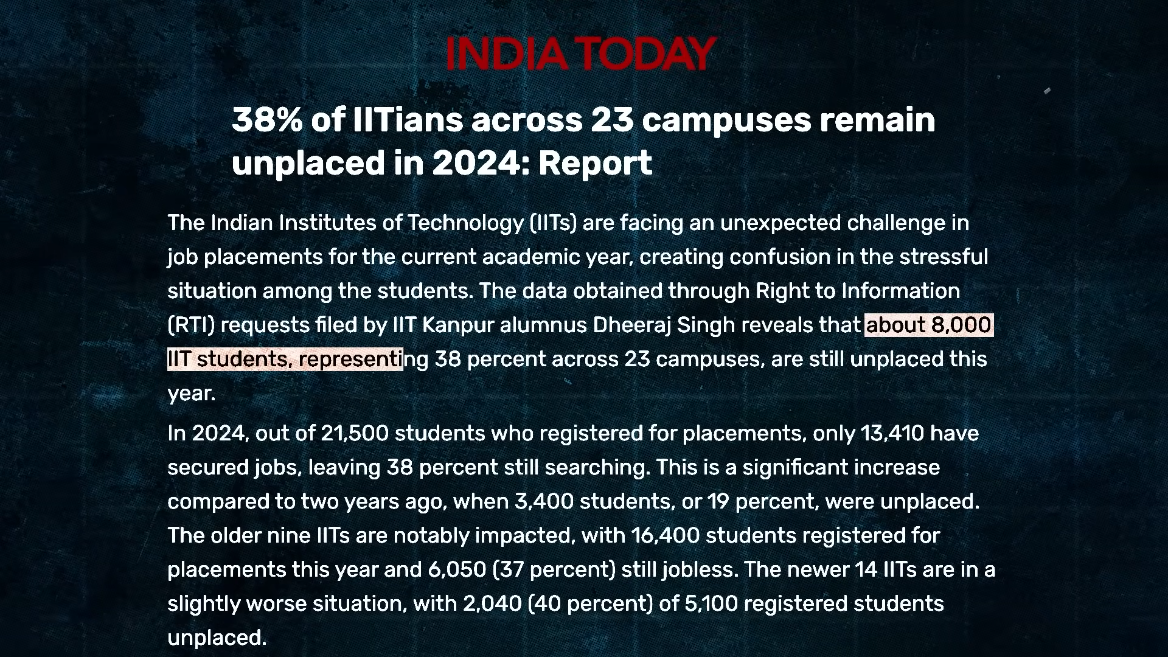 The struggle to find a well paying career.AI को IT Engineers ने बनाया और इन्हीं की नौकरी खतरे में क्यों? | Case Study | CA Rahul Malodia With 1.5 million new graduates annually, 1.2 million redundancies per year for next 4-5 years, and long term total new job opportunities in AI ~ 1.2 million, the IT sector is a numbers game where very few ARE GOING to win. Just google a few questions (like the following few) and explore what answers you get at your end. How many Indian students have gone abroad for PostGraduate studies in 2024? How much money do Indian students pay to go abroad for PG studies in 2024? How many Indian students admitted to private medical colleges in India in 2024? How much money Indian students paid for admission in private medical colleges in India in 2024? Now watch this 24 minute eye opening video about भारत में Doctors का Future क्या है? | Earnings, Struggle & Competition | CA Rahul Malodia or check this https://www.youtube.com/watch?v=DbAYjenUUYo Now read this latest report aboutHow many students "studied in India in 2024 post graduate courses"?The Ministry of Education of India released its latest All-India Survey of Higher Education (AISHE) report which is an annual exercise and provides an updated status and growth trends about students, faculty, subject choices, infrastructure and other parameters of higher education across the country. There are now 43.3 million students enrolled for higher education, up by nearly 2 million students in just one year. Nearly 79 per cent of students are enrolled on undergraduate courses with 12 per cent at the postgraduate (master’s degree) level (51 .96 lac). At the postgraduate (master’s degree) level the top broad subject area is Social Science (21%) followed by Science (15%) and Management (14%). Compared to five years ago, an additional 6.7 million students have enrolled. The top 6 states which contribute to more than 50 per cent of the total student enrolment are Uttar Pradesh, Maharashtra, Tamil Nadu, Madhya Pradesh, West Bengal and Rajasthan. These States are also home to 51.4 percent of the total population in the age-group 18-23 years. Now listen what some of those are doing? or see But What about those who can't afford the above five routes of so-called wealthy careers?Image

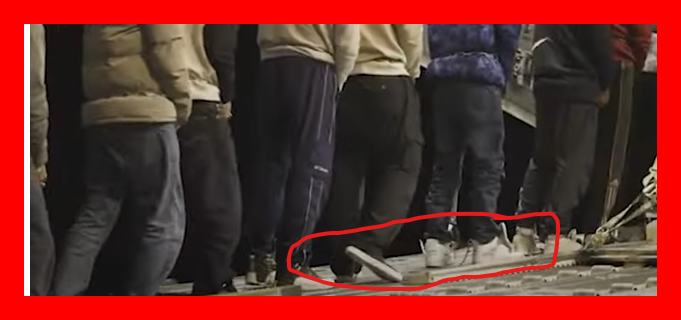 Here are few news articles:‘Handcuffed and shackled’: Indian immigrant recounts deportation from US | Latest News India - Hindustan TimesDeported from US: Punjab girl who went to marry fiancé, bus driver who paid Rs 30 lakh This is the certificate of our 130th situation globally in HDI: Microsoft implements instant layoffs with no severance for departing staff US Deport Indians: 119 भारतीयों को लेकर पहुंचा America का विमान, फिर लगाई हथकड़ी | Trump US Deport Indians: 157 भारतीयों को लेकर America से उड़ा तीसरा Plane, फिर लगाई हथकड़ी | Donald Trump US Mass Deportation : America से वापस आने वाले Indian की कहानी सुन रो देंगे ! Think why this got crore+ views Aa Ab Laut Chalen (1999) - Superhit Bollywood Movie | Aishwarya Rai | Akshaye K | Rajesh Khanna But if you want to dig deeper about the cause behind this; explore : https://indianexpress.com/article/business/rupee-hits-record-low-as-dollar-demand-persists-9820296/Now to assess the return on investment approach, regarding This Struggle to find a well paying career we must consider following three key questions:
Now, let's compare those results with the compensation we are offering for various roles.
Careers Back to your Joining step 2 |
||||||||||||||||||
| How does IoK help uplift India's HDI ranking? | We Improve India's HDI ranking, by empowering first-generation graduates, to detect health risks early, in the working-age population; through non-invasive care while enabling those graduates to earn ₹1 crore within five years. Behind every HDI statistic is a human story—a young graduate searching for a break, a family striving for dignity, a village dreaming of progress. IoK® believes true transformation begins when individuals are empowered not just to earn, but to lead change. If our employees can rise to earn ₹1 crore in 1–2 years and they lift others to do the same in 2–5 years, it sparks a chain reaction—of hope, opportunity, and economic revival. This isn’t just about income. It’s about unlocking human potential at scale. As lives improve, families thrive, and communities grow stronger, the nation’s standard of living rises—and with it, its standing in the Human Development Index. IoK® turns ambition into action and action into national impact. |
||||||||||||||||||
| Into how many distinct groups can India's population be segmented based on socioeconomic status and aspirations, and what are these groups? | India's population can be segmented into five distinct groups based on socioeconomic status and aspirations:
From these five segments, our focus is on identifying first-generation graduates within Group 2 to contribute to reducing mortality rates in Groups 1, 2, and 3. |
||||||||||||||||||
| Why is this course? | While millions of other courses are available today, why is this course?Problem: Recent graduates (21 years old), focused solely on getting a "well-settled" job, often delay contributing to society. They believe passing an exam is the key, but... Reason: The job market has a surplus of graduates, making it difficult to land that ideal job right away. This creates a frustrating cycle of qualification and struggle.
Our target student is:1. Who is passionate for field & research work in between peoples. 2. Who knows comprehending English & Hindi, texts & videos with basic applicable knowledge of mathematics & smart phones. 3. Who is willing to travel up to Navi Mumbai for the course. 4. Who is willing to live in boarding & eating food made by canteens for the course duration of 30 days. 5. He who has aspirations for contributing towards the wellbeing of society. 6. Who wants to pay back his parents within three months of joining the course. 7. Who is willing to pursue paid probation to earn more than 3 LPA in the very first year after the completion of the course. 8. Belongs to the bigger 90% chunk of families of the nation.Whose entire family's annual income is less than Rs. 3 lakh. 9. Who aspire to work while learning to fuel his success by sheer self efforts; without becoming a financial burden to his/her parents. 10. Who doesn't have the wherewithal to pursue the costly process of unyielding IIT, MBBS, IAS, UPSC, or management stream; where there is no guarantee of 100% placement despite investing long tedious efforts. |
||||||||||||||||||
| यह कोर्स क्यों है, जबकि आज लाखों अन्य कोर्स उपलब्ध हैं? | 1. आज किसी भी कॉलेज से हाल ही में पास हुआ 21 वर्षीय व्यक्ति परिवार, समाज, राष्ट्र या मानवता के व्यापक परिप्रेक्ष्य में सकारात्मक योगदान देना प्रायः इसलिए भूल जाता है क्योंकि प्रतियोगी परीक्षाओं की तैयारी में वह खुद को इस भ्रम में फंसा लेता है कि उत्तीर्ण होने के बाद, वह एक अच्छी तरह से व्यवस्थित जीवन अर्जित करना शुरू कर सकता है और समाज की भलाई में योगदान दे सकता है। हमारा लक्षित छात्र वर्ग:भारत की जनसंख्या को सामाजिक-आर्थिक स्थिति और आकांक्षाओं के आधार पर पाँच अलग-अलग समूहों में विभाजित किया जा सकता है:
इन पाँच खंडों से, हमारा ध्यान समूह 2 के भीतर पहली पीढ़ी के स्नातकों की पहचान करने पर है, जो समूह 1, 2 और 3 में मृत्यु दर को कम करने में योगदान दे सकें। हमारा लक्ष्य छात्र है: |
||||||||||||||||||
| What is the PLaRP with respect to IoK® | PLaRP stands for Practical Learning and Research Program. It's a comprehensive 30-day course developed to provide hands-on experience and research skills, integrated with the principles and methodologies of IoK®. |
||||||||||||||||||
| What does Practical Learning and Research Program (PLaRP) course entails? | A Practical Learning and Research Program (PLaRP) course majorly entails following five themes:
Overall, a PLaRP course aims to bridge the gap between theoretical knowledge and practical application. Students gain experience in conducting research and applying their learnings to solve real-world problems. |
||||||||||||||||||
| Why doesn’t IoK® Education build an AI assistant to help with form filling? | At IoK® Education, we believe technology should enhance—not replace—the human touch. While AI can offer shortcuts, it can’t capture the depth of personality, empathy, and originality that real conversations reveal. Our human-to-human approach ensures that every interaction celebrates individuality and emotional intelligence—qualities that not only strengthen our team but also sustain the fabric of a healthy society. To sustain the tsunami of AI sustainably, IoK® Education embraced a business model of human to human interface. Helping candidates embrace Ai in their form filling will turn the process robotic and miss to differentiate personality traits of human interaction, empathy, sympathy, and emotions which are all necessary ingredients of any healthy society. |
||||||||||||||||||
| Why doesn’t IoK® Education create a personalized space for candidates to track progress and access resources while waiting? | At IoK® Education, we value momentum. Our Transparent Hiring Process is designed so that motivated candidates can keep advancing without unnecessary delays. While we don’t offer a separate space, each job profile page already contains a wealth of knowledge—over 140 articles—covering our process, mission, business model, and key questions about the role. These resources are there for curious, proactive individuals to explore, helping you stay informed, engaged, and aligned with outcomes from day one. In fact, your willingness to dive into these materials is the first demonstration of the initiative, curiosity, and self-drive we value most in future team members. |
||||||||||||||||||
| How many hours do I have to devote during this 30 day course to complete it successfully? |
|
||||||||||||||||||
| How can I Self-Assess my aspirations with respect to IoK's Product-Market Fit; for my Career Success? | Do complete the following survey to Identify “Aspirations & Product-Market Fit” for Your Career Success. | ||||||||||||||||||
| How IOK’s Program Helps with Unemployment-Related Stress & Mental Well-Being? | Q: What are some of the main reasons graduates feel stressed, anxious, or depressed when jobs are hard to find? |
||||||||||||||||||
| But how does IoK® help in improving the HDI of the nation? | Image
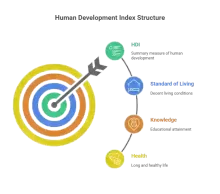
One of the three key pillars of Human Development Index (HDI) is life expectancy at birth, or in other words, the average age of mortality. Even small shifts in this measure can significantly raise a nation’s HDI ranking. Scenario 1 – Positive Impact: Scenario 2 – The Risk: Our Intervention – The IoK® Focus
In short: Saving 1 life at age 40 = Extending 32 lives beyond age 71.
|